


What Is a Cesarean Section?
A cesarean section, or C-section, is the surgical delivery of a baby through incisions made in the abdominal wall and the uterus. It’s performed when vaginal birth would put a mother, her baby, or both at risk. The most common reasons for a cesarean section include stalled labor, fetal distress, and abnormal fetal position.
According to the Centers for Disease Control and Prevention, roughly one in three births in the United States is a cesarean delivery, which makes it one of the most frequently performed operations in the country. That number surprises many women who assumed a cesarean was rare or unusual.
Cesarean deliveries fall into three general categories, and knowing the difference helps set expectations:
- Planned (scheduled) cesarean. Arranged in advance because of a known condition such as placenta previa, a breech baby at term, or a prior classical uterine incision.
- Unplanned cesarean. Decided during labor when progress stops or a new concern develops, but without immediate danger.
- Emergency cesarean. Performed quickly when the safety of mother or baby requires delivery within minutes, such as a cord prolapse or placental abruption.
A cesarean section is major abdominal surgery. It’s not a shortcut, an easier option, or a way to skip the work of labor. Several layers of tissue are opened and closed, and healing takes weeks rather than days. That framing matters, because women who know what a cesarean involves tend to recover with fewer surprises and less frustration.
Most cesarean deliveries are performed under regional anesthesia, either a spinal block or an epidural, which numbs the body from roughly the chest down while you remain awake and alert. You’ll usually hear your baby’s first cry and, in uncomplicated situations, hold your baby shortly after birth. General anesthesia is reserved for true emergencies or the occasional situation where regional anesthesia isn’t possible.
The physicians at Memphis Obstetrics & Gynecological Association, P.C. discuss cesarean possibilities during prenatal care rather than waiting until labor, so that decisions made in the moment feel informed instead of rushed.
The Most Common Reasons a Cesarean Section Is Recommended
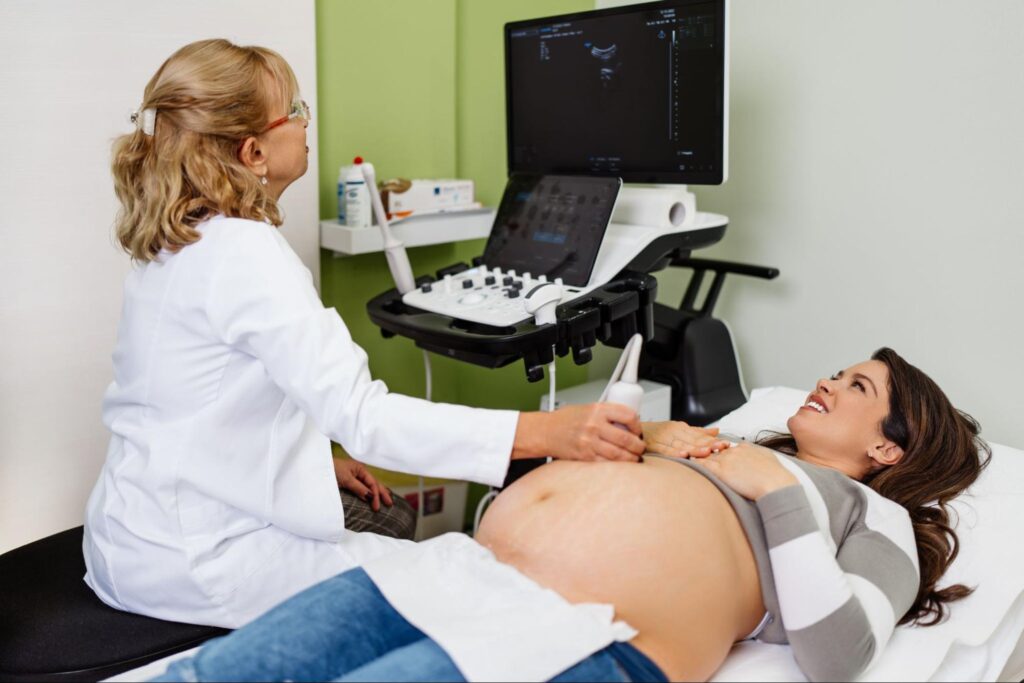
Some cesareans are arranged weeks or months in advance, while others are decided within minutes of a change in labor. The most common reasons a cesarean section is recommended include labor that fails to progress, a fetal heart rate pattern that suggests the baby isn’t tolerating labor, abnormal fetal position such as breech, placental complications, multiple gestation, and a prior cesarean or uterine surgery. Learning what each one means ahead of time makes the conversation in the delivery room far less jarring, whether it happens at 38 weeks or at three in the morning.
1. What happens when labor stalls or fails to progress?
Labor dystocia is the single most common indication for a first-time cesarean. The cervix stops dilating, contractions weaken or become ineffective, or the baby’s head simply doesn’t descend despite hours of strong labor. Your MOGA obstetrician will typically try position changes, medication to strengthen contractions, or breaking the water first. When those measures don’t move labor forward, cesarean delivery becomes the safer route.
2. What does a non-reassuring fetal heart rate tracing mean?
Continuous monitoring during labor tracks how your baby responds to each contraction. Certain patterns, including repeated late decelerations or a loss of variability, suggest the baby may not be getting enough oxygen. Sometimes fluids, oxygen, and repositioning resolve the pattern. When they don’t, prompt delivery protects the baby from injury.
3. How does abnormal fetal position change the plan?
Babies deliver most safely head-down and facing your spine. Positions that complicate or prevent vaginal birth include:
- Breech presentation, where the buttocks or feet come first
- Transverse lie, where the baby lies sideways across the uterus
- Persistent malposition, such as a brow or face presentation, or a baby who remains stubbornly turned to one side
An external cephalic version, a hands-on attempt to turn a breech baby, is an option for some women near term. When it isn’t appropriate or doesn’t work, a planned cesarean is generally recommended.
4. Which placental complications require a cesarean?
Problems with the placenta account for some of the most urgent cesarean deliveries:
- Placenta previa, where the placenta covers or sits near the cervix, making vaginal delivery unsafe because of severe bleeding risk
- Placental abruption, where the placenta separates from the uterine wall before birth
- Vasa previa, where fetal blood vessels cross the cervix unprotected
Previa and vasa previa are usually identified on ultrasound during pregnancy, which allows for careful scheduling. Abruption is often an emergency.
5. Do twins and other multiples always need a cesarean?
Twins can sometimes be delivered vaginally when the presenting twin is head-down and both babies are growing well. Cesarean delivery is generally recommended when the first twin is breech or transverse, when the babies share an amniotic sac, or when there are triplets or more.
6. Does a prior cesarean or uterine surgery mean another one?
A previous cesarean doesn’t automatically mean another one, but the type of scar matters quite a bit. A prior classical (vertical) uterine incision, multiple previous cesareans, or a prior myomectomy that entered the uterine cavity all raise the risk of uterine rupture during labor.
7. What other medical and situational reasons apply?
- Cephalopelvic disproportion, when the baby’s head can’t safely pass through the pelvis
- Macrosomia, an estimated fetal weight large enough to make vaginal delivery risky, particularly with maternal diabetes
- Active genital herpes lesions at the time of labor, or HIV with a high viral load
- Umbilical cord prolapse, where the cord slips ahead of the baby, cutting off blood flow
- Maternal health conditions such as severe preeclampsia, HELLP syndrome, certain cardiac conditions, or a placental problem combined with maternal instability
What Happens During a Cesarean Delivery: Step by Step
Knowing the sequence ahead of time takes away much of the anxiety. Here’s what a typical cesarean delivery looks like from preparation through recovery.
1. Preparation before surgery. Your nurse places an IV line for fluids and medication, and you’ll receive antibiotics shortly before the first incision to lower infection risk. In most cases the team inserts a urinary catheter after your anesthesia has taken effect, so you won’t feel it going in. You’ll meet the anesthesiologist, review your history, and sign consent forms. Someone will draw blood work, and monitors track your blood pressure, heart rate, and oxygen level from that point forward.
2. Anesthesia and positioning. A spinal block or epidural is placed while you sit or lie on your side. Numbness spreads within minutes. A sterile drape is raised to separate the surgical field from your view, and in many cases your support person can sit near your head throughout.
3. The incisions. Most cesareans use a low transverse incision, a horizontal cut just above the pubic bone, sometimes called a bikini-line incision. A second incision is made in the lower uterus. From the first incision to the baby’s arrival is often only 5 to 10 minutes.
4. Delivery of your baby. You may feel pressure or tugging, but not sharp pain. Your baby is lifted out, the cord is clamped, and the delivery team assesses breathing, tone, and color.
5. Placenta and closure. The placenta is removed and the uterus, muscle layers, fascia, and skin are closed in sequence. Closing takes longer than delivering, which is why the operation as a whole usually runs 45 to 60 minutes.
6. Bonding when possible. In uncomplicated cesareans, delayed cord clamping and skin-to-skin contact in the operating room are frequently possible. Breastfeeding can often begin in the recovery room. If your baby needs assessment first, your support person can stay close by.
7. Recovery room and transfer. You’ll be monitored for one to two hours while anesthesia wears off and bleeding, blood pressure, and pain are assessed. From there you move to the postpartum unit, where nurses will encourage you to walk within the first day. Early walking reduces the risk of blood clots and helps your bowels wake up.
When a Cesarean Is the Safer Choice: Benefits and Protective Reasons
When a specific medical reason is present, cesarean delivery is the safer choice because it removes the stress of labor and allows a controlled, planned birth with a full surgical team ready. The protection comes from the reason behind it: a cesarean performed for a clear indication prevents harm that vaginal birth could cause.
Situations where a cesarean protects mother, baby, or both include:
- Fetal distress. Delivering promptly when heart rate patterns suggest oxygen deprivation helps prevent hypoxic injury and birth trauma.
- Placental emergencies. With placenta previa or abruption, cesarean delivery avoids the catastrophic hemorrhage that labor could trigger.
- Infection transmission. Bypassing the vaginal canal lowers transmission risk with active genital herpes lesions or poorly controlled HIV.
- High-risk pregnancies. Scheduling delivery means the anesthesia team, neonatology, and any needed specialists are present rather than assembled in a hurry.
- Uterine scar concerns. For women with a classical vertical incision or several prior cesareans, planned delivery protects against uterine rupture during labor.
- Mechanical obstacles. A transverse lie, cord prolapse, or a baby too large for the pelvis leaves no safe vaginal route.
These advantages hold when a cesarean is medically indicated. They don’t make surgical delivery a better default for a healthy woman with a healthy, well-positioned baby. Vaginal birth remains the preferred route in the absence of a specific reason to operate, and that balance is exactly what your MOGA obstetrician, board certified with credentials such as M.D. and F.A.C.O.G., weighs alongside you over the course of your prenatal visits.
Cesarean Section vs. Vaginal Birth: How They Compare
Cesarean and vaginal birth both bring healthy babies into the world every day, and the practical differences show up afterward. Vaginal birth generally means a shorter hospital stay, less blood loss, and a quicker return to normal activity, while a cesarean is abdominal surgery with a longer recovery, lifting restrictions, and scar considerations that carry into later pregnancies.
| Factor | Vaginal Birth | Cesarean Section |
|---|---|---|
| Typical hospital stay | 1 to 2 days | 2 to 4 days |
| Typical recovery | 1 to 2 weeks for most daily activity | 4 to 6 weeks, with lifting restrictions |
| Pain pattern | Perineal soreness, cramping, possible stitches | Incisional pain, gas pain, cramping |
| Average blood loss | Lower | Higher |
| Infection risk | Lower | Higher (incision, uterus, bladder) |
| Anesthesia | Optional epidural or none | Spinal or epidural in nearly all cases |
| Effect on future pregnancies | Few restrictions | Scar considerations, VBAC discussion, higher placenta accreta risk |
Which risks are more common with cesarean delivery?
- Wound and uterine infection
- Blood clots in the legs or lungs
- Adhesions, or internal scar tissue, that can complicate later operations
- Injury to the bladder or bowel, uncommon but possible
- Placenta accreta spectrum in later pregnancies, where the placenta grows into the uterine wall
Which risks are more common with vaginal delivery?
- Perineal tearing, including higher-grade tears involving the anal sphincter
- Pelvic floor injury contributing to urinary incontinence or prolapse later in life
- Instrument-assisted delivery with forceps or vacuum
- Shoulder dystocia with larger babies
What about VBAC?
Vaginal birth after cesarean is a reasonable option for many women with one prior low transverse incision, no other uterine surgery, and no current reason for a repeat cesarean. A trial of labor after cesarean takes place in a hospital equipped to move quickly if uterine rupture occurs, which is rare but serious. Published research consistently puts the successful VBAC rate at 60 to 80 percent for appropriately selected candidates, though a predicted success rate below that range isn’t on its own a reason to rule out TOLAC. Factors that improve the odds include a prior vaginal delivery, spontaneous labor onset, and a favorable cervix.

Who Is Most Likely to Need a Cesarean Section?
Certain circumstances point toward surgical delivery long before labor starts: a prior cesarean or uterine surgery, a breech or transverse baby at term, placental abnormalities, multiple gestation, or certain maternal medical conditions. A second group of women develops the need during labor itself, when arrest of progress, fetal distress, or cord prolapse changes the plan in a matter of minutes.
Anticipated ahead of time:
- Prior cesarean or prior uterine surgery, including a myomectomy that entered the uterine cavity
- Breech or transverse presentation at term after an external cephalic version fails, isn’t offered, or is declined
- Placenta previa, placenta accreta spectrum, or a prior classical uterine incision
- Multiple gestation, particularly triplets or twins where the presenting twin isn’t head-down
- Maternal conditions such as severe preeclampsia, active genital herpes lesions, certain cardiac or neurologic conditions, or a prior significant pelvic fracture
Decided during labor:
- Arrest of dilation or descent despite adequate contractions
- A fetal heart rate pattern that doesn’t improve with conservative measures
- Umbilical cord prolapse
- Suspected uterine rupture or placental abruption
- Chorioamnionitis with a labor that isn’t progressing
Can I request a cesarean section without a medical reason?
Some women do request a planned cesarean, and the conversation is worth having openly with your MOGA obstetrician, whose credentials include M.D. and F.A.C.O.G. Because surgical delivery carries added recovery time, a higher risk of bleeding and infection, and future pregnancy considerations, your caregiver will review the tradeoffs in detail before scheduling one. What sits behind the request matters just as much. Fear of labor, a difficult prior delivery, or worry about pelvic floor injury each deserve their own answer, and several of those concerns can be addressed without an operation.
How long does cesarean recovery really take?
Most women feel meaningfully better after two weeks and closer to themselves by six weeks, with lifting and driving restrictions during the early part of that stretch. Incisional soreness, fatigue, and swelling are normal, and so are night sweats and afterpains as the uterus contracts back down. Fever, spreading redness, drainage from the incision, heavy bleeding, or calf pain warrant a call right away. Short, frequent walks, staying ahead of discomfort with scheduled medication, and accepting help at home all make those weeks easier.
Will I need a repeat cesarean next time?
Not necessarily. Many women with one prior low transverse incision are candidates for a trial of labor, while a classical incision, multiple prior cesareans, or a current complication generally point toward a scheduled repeat. Your delivery records and the details of this pregnancy guide that decision. Requesting the operative report from your first delivery is worth doing early in a subsequent pregnancy, since the type of uterine incision isn’t always obvious from memory or from the scar on your skin.
Does a cesarean make breastfeeding harder?
Nursing after a cesarean is entirely possible, though positioning takes some adjustment to keep pressure off the incision. Side-lying and football holds tend to be more comfortable early on, and hospital lactation support can help you find what works. Milk sometimes takes an extra day to come in after a surgical delivery, which is expected rather than a sign that nursing won’t succeed. We’re here for you through those first weeks, and your MOGA caregiver can arrange added lactation support if latching stays difficult.